- From Survival to Thrival
- Posts
- Thursday May 14- Social media
Thursday May 14- Social media

Ephraim Gopin
May 14, 2026
Hi !
Antietam: What’s cookin this week
In this week’s enews…
Pay or get out of the way
Which social media platforms should you invest time in
Great social media content you should copy!
Great post: Raise more with storytelling copy
Do we really need parties for this?
P.S. Using humor on social media
The solution to last week’s Triple E (enews easter egg): Famous paintings by Picasso.
Over the years the guidelines and best practices for posting on social media platforms have changed. But now nonprofits are facing something more basic:
Should we be posting on social media at all? And if yes, how do we engage the audience?
This week I wanna discuss what’s actually going on, what that means for your organization and how to use social media to grow and thrive.
Let’s dive in.
Next weekend is Memorial Day weekend in the U.S. I’m taking off a week. I’ll be back in your inbox on Thursday May 28.
Gettysburg: Is it dead?
Is social media dead?
I’ve gotten this question before and my answer is: No. But user beware.
Let’s take Facebook as an example. They have become a pay-for-play platform. They want you to spend money to reach your audience.
How does this translate into your day to day posts? The organic reach rate of the average Facebook post is between 1.37-6.4%. If you have 1,000 page followers, between 13-64 people will see your posts. That’s it. (Other studies I’ve seen have it as low as 1%.)
The vast majority of your followers won’t see your post.
Why is this happening? Facebook is throttling everyone’s posts so you’ll pay for ads to reach more of your audience. Like I said, pay-for-play.
Even worse is what happens when you add an external link to your post. Engagement goes down to 0.05%.
Why? Because Facebook wants people staying on the platform rather than leaving to another site.
And they’re not the only ones. On LinkedIn, I definitely see this phenomenon. Include a link in your post and reach plummets.
(The runaround for LinkedIn? Post the link in the first comment rather than in the post itself.)
In the past, social media was a great place for nonprofits to share info and then guide people to their site to learn more. No more because those posts are being throttled (by Instagram and Twitter as well).
So fewer people seeing your posts, less engagement, fewer click thrus to your site. What’s a nonprofit to do, especially a growing one with a limited budget and limited peoplepower?
Prioritize.
I’ve done trainings and built plans and strategies that revolve around social media and content. I’m going to share with you what I think you should do.
And yes, I’m sure my thoughts will not be in line with some social media experts. That’s fine. I’m sharing based on my personal experience and what I’ve seen happen with organizations I’ve worked with.
Shiloh: Where the engagement is
Here’s a quick look at platforms and my thoughts.
1️⃣ LinkedIn company page posts: Waste of time. On average, very few people will visit the page. They may follow it but LinkedIn isn’t like other platforms: People don’t sit on it for hours scrolling their feed. And if someone reposts your page’s latest post? Reposts get very little traction on LinkedIn.
Two clarifications:
Yes, you SHOULD have a company page about your nonprofit on LinkedIn. People may be searching and so this page is valuable.
When I say “waste of time” I don’t mean for everyone out there. A couple of you may have seen success and high engagement from your LinkedIn page. Awesome! But for growing nonprofits who have to prioritize, I’d put my time and effort elsewhere.
2️⃣ Twitter: It’s a hellsite. Which sucks.
I joined Twitter 15 years ago and it’s where I built my network. Engagement was fantastically high. I had great conversations with top sector experts, who were willing to engage with followers.
No longer. The 🤖 have taken over. Which is why I see so few nonprofit organizations and consultants using the platform. (And yes, I’m fully aware that some/many left Twitter because of the politics and abuse they were subject to.)
Trying to decide which platform to invest in? It’s not Twitter. Which is really too bad cause it could’ve been something wonderful.
3️⃣ Facebook: I do think that nonprofits should have an active page and be posting consistently.
What does that look like? Daily posts. Content that educates, tells stories, shares impact, updates about upcoming events, fundraising asks, video, pictures and more.
Sure they’re gonna throttle engagement but the odds are that a decent percentage of your donors and supporters are on Facebook, so you should be as well.
I am also saying to be on Facebook for three other reasons:
Friendraisers: Many people use Facebook to raise money for their favorite causes. Having an updated page which can be referenced is helpful.
Ads: Take a breath because I’m gonna say something that will 🤯 - you have to spend a buck to make three. The Facebook ads platform is very sophisticated and the investment is not that high. It will put your mission in front of a wider section of your audience (and new audiences you may be trying to attract) and is a good marketing vehicle to assist your fundraising. (If you need someone to build and run your FB ad campaigns, be in touch and I’ll connect you with an ads expert.)
Groups: I am in a few Facebook Groups and when people aren’t exchanging “pleasantries” they can be very helpful. It might be worthwhile to start a group that is connected to your mission but will provide value and educate those who join the group. That can be a good way to build a two-way street with potential supporters.
As much as I may not like Zuck and how Facebook operates, I still believe it has enough positive value for a nonprofit that it’s worth investing time and effort in.
4️⃣ Instagram: YES!!!
Before I continue: Please make sure you take a look at the next section for a great idea on how to create content and engage your audience.
Like Facebook, Instagram has throttled reach and engagement in the feed. Like Facebook, I recommend you post Monday thru Friday in the feed so you have an active presence on the platform. People open the app on average 12 times a day. That’s a lot of opportunities for you to get in front of them.
But the magic really happens on Stories. 500,000,000 people view Stories every single day.
That’s right: Half a BILLION people daily on Stories!
It’s a good bet your audience is viewing Stories at least a couple of times a week. And Instagram provides plenty of ways to use Stories to engage your audience:
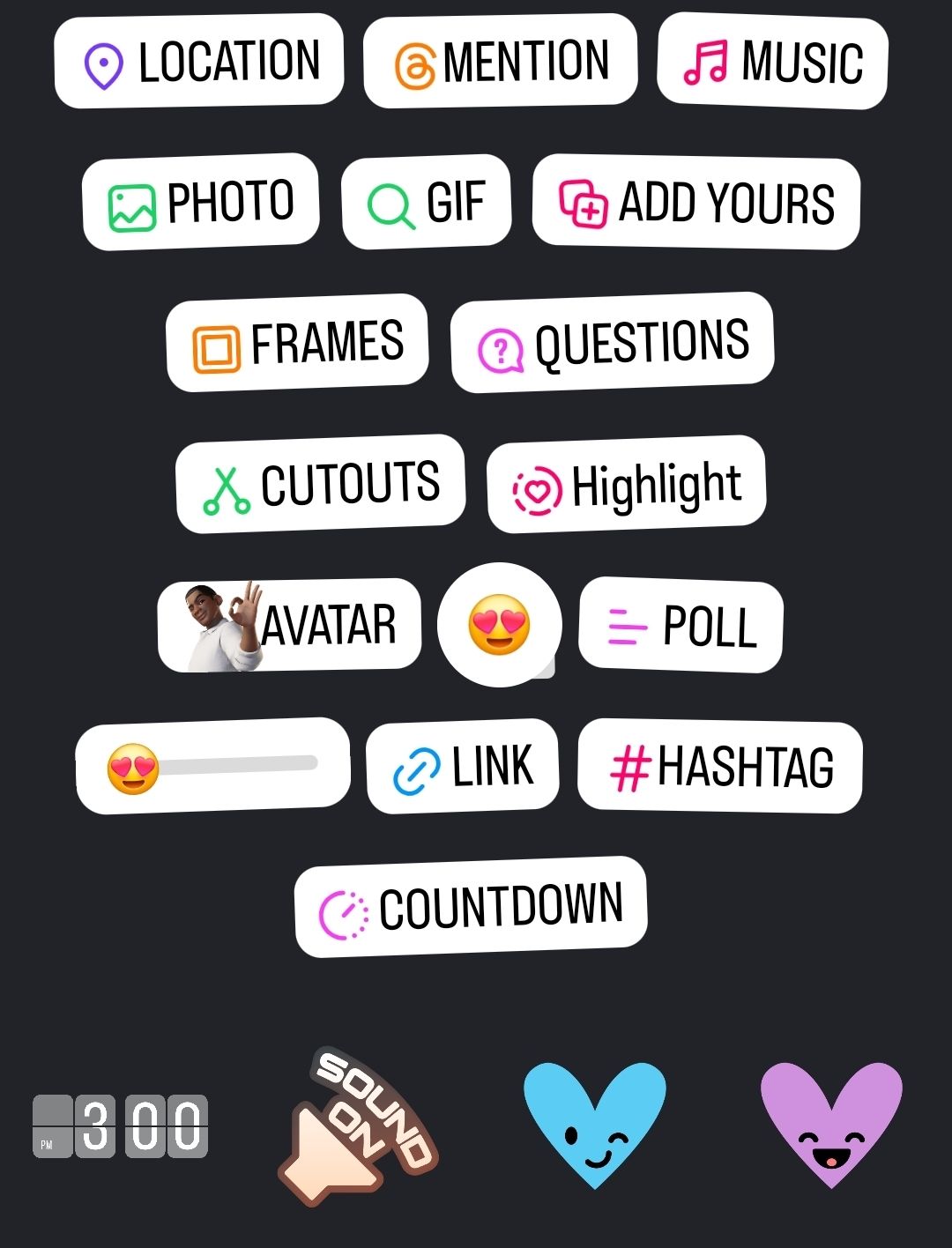
Ask questions, take a poll, mention people, share a location, add a link, add a funny GIF, share a great song along with the image. These stickers are meant for you to engage viewers, get them to react and/or take action based on what you posted.
Having a presence on Stories daily means plenty of opportunities for people to see them. I do believe this is worth investing in in terms of content and posting.
What type of content could you be sharing on Stories? This is where planning and strategy help. When I created an Instagram strategy for an organization, I laid out for them over 50 different content ideas they could choose from.
The goal is to provide value for users, keep them engaged and coming back. Here are a few ideas along with an Instagram Story example to illustrate it.
Keep people updated (Vera House)
Educate and provide value in just 4 slides (Mayo Clinic)
See what people know about issues related to your mission (Second Harvest Canada)
Teach people what to do and what not to do (Yesh Tikva)
The CEO sharing results and impact (Worldwide Cancer Research)
Let people meet a beneficiary (story of one) and learn more about the mission (Wounded Warriors Project)
Show how donations are used (Worldwide Cancer Research)
Explain what you do (Lemonade Fund)
Fundraising campaign ask (Second Harvest Canada)
And that’s just a small sample of what you can do.
I am a fan of Instagram because you CAN see results. But like everything, you have to post consistently. And you MUST be available to respond when people leave a message.
I know that some of you have a full-time person who manages social media while others of you struggle to get a post online once a week. It can be time consuming and you have to test to see where your audience is, what they react to, what are the best ways to engage them and mobilize them to take action.
That of course takes having a plan, testing and time, which many of you only have in short supply. I get it. My suggestion is to find one platform where you can put in the time and effort (and money if needed) and make a go of it.
A lot of what I see on social media gets the “media” part right- it’s all broadcasting and pointing a finger at the organization- but they forget the “social” aspect which is understanding what content the audience wants, delivering value, using tools to create conversations and eventually getting them to do something.
And finally…
I urge every nonprofit to add social media icons (where you have a presence) to the footer of every email you send out.
Why?
Offer people multiple ways to keep in touch and see/read your content. They won’t open every email, just like they won’t see every social media post. But let them know where you have an active presence so they can keep in touch.
Additionally, you may be running a campaign via Facebook. Use email to direct traffic to the campaign! Email, social media, website, blog, direct mail, texts etc. should be working together, not separately.
Social media still has value. It’s just a lot different now than it used to be, as well as more difficult to reach eyeballs. But it can be done.
Here’s my question for you this week: Is there one social media platform you love and one you hate? Email me with your picks!
Manassas: This is how you do social!
In this section I’ll share with you something good being done out there that you can learn from.
Takeovers.
On social media you don’t just want to showcase beneficiaries. Let people meet your staff, volunteers, Board members, foundation partners and others who are tied to your mission.
This also means not always telling the story from your perspective. And this is why I love a good takeover!
A takeover is when you hand your social media reins to someone else and allow them to post content related to your organization through their eyes. Now your audience can view you through a different lens.
(A word of caution: If you have been in comms/marketing for longer than 15 years, you know about takeovers. And you probably remember the worst takeover of alltime from 2012, which was OH MY GOD ARE YOU READING WHAT’S BEING POSTED WHY DON’T THEY TAKE THE KEYS AWAY FROM HER bad. One word: Sweden.
I’ve used that example in numerous trainings about content, storytelling and social media. It’s OMG bad.)
When I traveled to Minneapolis back in November, I visited the headquarters of CornerHouse Minnesota. Christy Shannon, their CEO, spent an hour with me explaining their mission and the work they do. They are a Children’s Advocacy Center who work with victims of abuse. They partner with police, child protection services and prosecutors to help the child. (Watch Christy describe their mission and work.)
I follow them on Instagram so I can see the latest and greatest. (Take a look at this good short video they posted at the end of 2025.)
Ahead of Child Abuse Prevention Month (April), they posted that someone would be taking over their account. For 5 straight days they had someone posting to social instead of their regular staff person.
Day 1: Introducing Aly who is taking over
Day 2: Why she’s sharing her personal story and helping to educate people about the organization’s mission
Day 5: Aly describes her connection to CornerHouse and how her story explains the work they do (click below to read her post)
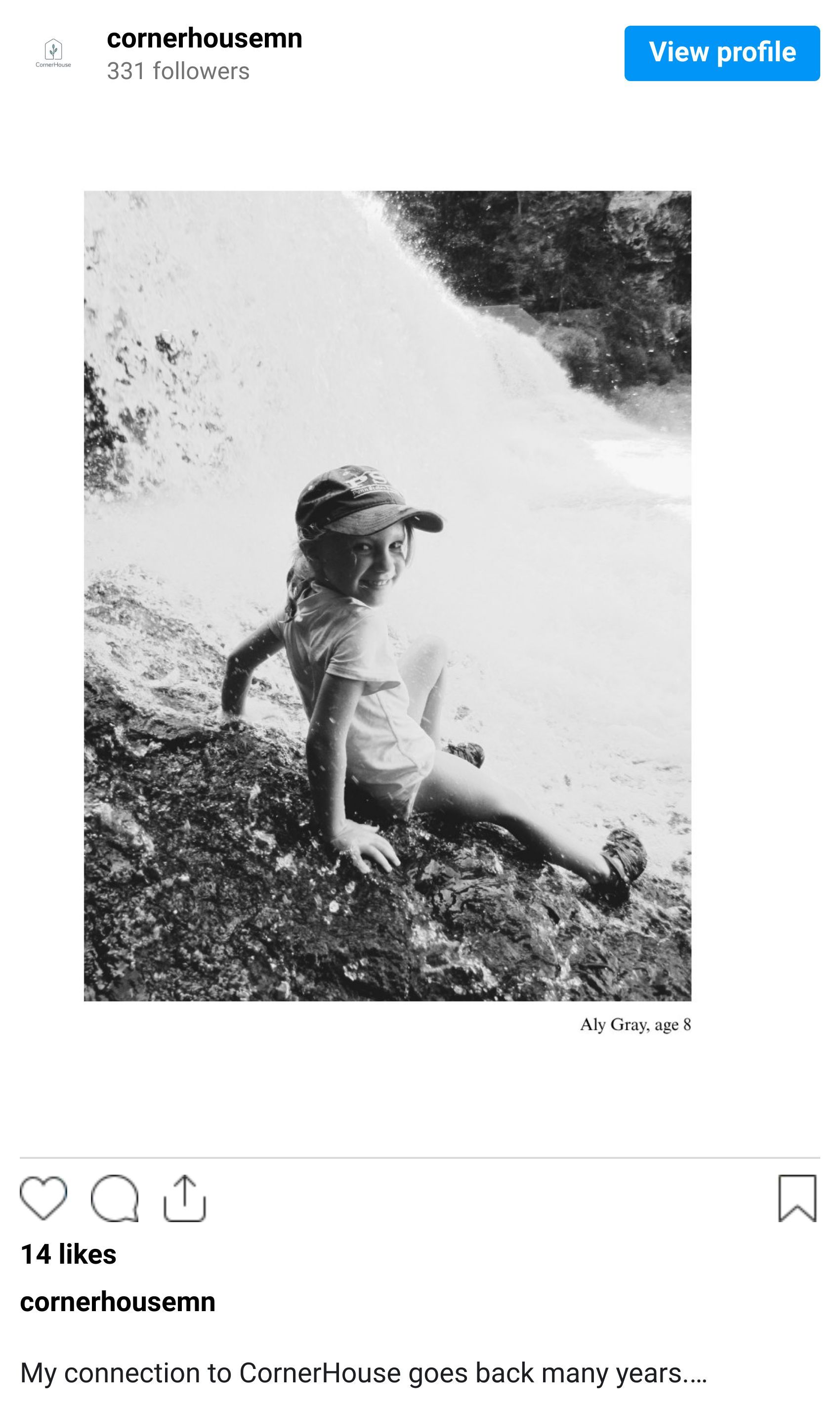
Aly took over CornerHouse’s LinkedIn, Facebook and Instagram accounts. A great way to involve other people and let followers learn more about the organization thru someone else’s eyes.
As I mentioned earlier, I love a good takeover. You need to set ground rules in advance (See: Sweden, Twitter takeover) but it can boost engagement and interest your audience.
Chancellorsville: A little of this and that
In this section I’m going to share with you great content I’ve picked out that you can learn from.
How to raise more money with your storytelling copy. MUST READ!!! (Moceanic)
Fundraising and Gen Z (Philanthropy 451)
How to figure out if your fundraising is working (The Better Fundraising Company)
How much money should your nonprofit have in reserve (James Moore)
Email designs that convert (Campaigner)
Fort Sumter: Not the most happening party
The kerfuffle with Iran is causing some supply chain issues. And not just with oil.
In India, there’s a beverage that is now in short supply. Parties for this beverage are now in vogue so people can get their fill.
I personally don’t drink the stuff but hey, if it makes people happy, have at it.
SOTW (Song of the week): I listened to Turn Turn Turn by The Byrds on an endless loop while composing the enews. There’s a time for writing and a time to publish.
I’ll be back in your inbox in two weeks. Have a great weekend!
P.S. Above I mentioned social media engagement. I am a big fan of using humor when posting. The below account- a police department- uses humor to keep the audience coming back for more. They’re very good at it!